In an era saturated with digital noise and endless scrolling, advertisers are turning back to the physical world—but with a digital twist. Digital Out-of-Home (DOOH) advertising, which encompasses digital billboards, screens in public spaces, transit displays, and interactive kiosks, is seeing unprecedented growth as brands seek to break through the clutter and connect with audiences in more immersive ways.
According to a report by Statista, Ad spending in the Digital Out-of-Home Advertising market worldwide is forecasted to reach US$19.08bn in 2025, and Ad spending is anticipated to demonstrate an annual growth rate (CAGR 2025-2029) of 7.12%, leading to a projected market volume of US$25.12bn by 2029.
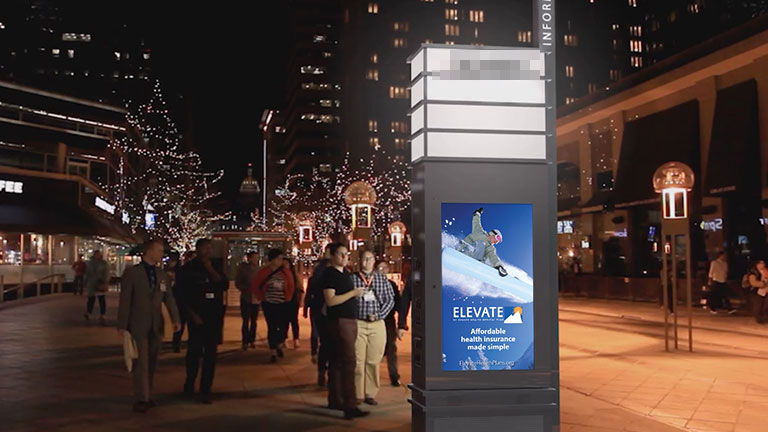
This rapid rise can be attributed to two primary factors: the proliferation of digital screens in public spaces, and advancements in data analytics that allow advertisers to deliver more relevant, targeted content.
DOOH advertising refers to any form of OOH media that is displayed digitally, as opposed to static posters or printed signage. This includes:
Digital billboards along highways and in urban centers
Interactive kiosks in malls, airports, and transit hubs
Screens in elevators, taxis, and gyms
LED displays in stadiums and event venues
Programmatic DOOH, which uses real-time data to dynamically serve ads based on conditions such as time of day, weather, and audience demographics
Unlike traditional OOH, which is static and broadly targeted, DOOH enables real-time flexibility and precision. Brands can adapt messaging instantly, trigger ads based on external data (such as a sports game or trending topic), and even use geofencing to tailor campaigns to specific locations.
As we enter 2025, consumer behavior has shifted dramatically. People are spending less time on traditional TV and more time outside, commuting, traveling, and engaging in hybrid work environments. Yet at the same time, digital fatigue is at an all-time high. People are tuning out online banner ads, installing ad blockers, and ignoring social feeds cluttered with promotional content.
Here’s where DOOH shines:
High Visibility and Impact
Large-format digital screens in high-traffic areas command attention. Unlike mobile or desktop ads that can be skipped or closed, DOOH is unskippable and immersive. A Nielsen study found that 60% of consumers recall DOOH ads they’ve seen within the past month, and 40% took action afterward, such as searching for the brand or visiting its website.
Contextual Relevance
Modern DOOH platforms use environmental data (like weather, location, or time of day) and behavioral data (such as foot traffic patterns) to trigger specific ad content. For instance, a beverage brand might display refreshing drink ads on a hot afternoon, while a travel company could promote last-minute weekend getaways on Friday evenings.
Audience Targeting Without Privacy Intrusion
With increasing scrutiny on online data privacy and the phasing out of third-party cookies, DOOH offers a compelling alternative. It enables audience targeting through aggregated, anonymized data—such as device proximity, dwell time, and location analytics—without violating user privacy.
Cross-Channel Integration
DOOH doesn’t operate in a vacuum. It can complement broader omnichannel campaigns, acting as a bridge between online and offline worlds. For example, a QR code on a DOOH screen can drive traffic to an app, while a programmatic ad might be synchronized across mobile, desktop, and DOOH screens simultaneously.
Brands looking to capitalize on the DOOH trend in 2025 should consider a strategic mix of platforms and technologies. Here are some of the most effective solutions:
Programmatic DOOH Platforms
Platforms like Vistar Media, Hivestack, and Broadsign offer real-time bidding and automated ad placement across thousands of screens. These systems allow marketers to buy DOOH inventory in the same way they do with digital display ads—fast, dynamic, and data-driven.
Interactive and Touch-Enabled Kiosks
Deploying touch-enabled DOOH screens in malls, train stations, and event venues allows brands to engage users directly. These kiosks can be used for product demos, surveys, or even gamified experiences to boost brand affinity.
Mobile-DOOH Integration
Solutions that sync mobile and DOOH campaigns can enhance impact. For example, users exposed to a DOOH ad might receive a mobile ad moments later, reinforcing the message and increasing conversion rates.
Measurement and Analytics Tools
Modern analytics platforms provide robust reporting on impressions, engagement, dwell time, and audience demographics. Tools like Quividi and PlaceIQ use computer vision and location data to provide real-time campaign performance insights.
Reliable DOOH Hardware
As reliability becomes a key consideration, many hardware providers now offer reliable DOOH hardware, such as Giada's embedded PC AE613 and AF208. They are specifically designed for the outdoors, which can handle wider temperature ranges -20°C~60°C. The solutions adopt industrial-grade design and support 7 x 24 h constant operation.
Looking ahead, DOOH is poised to become even more personalized, immersive, and integrated. Some trends to watch include:
AI-Powered Creative Optimization: AI will be increasingly used to test and adapt creative messaging in real-time based on audience response and contextual factors.
3D and Holographic Displays: With growing interest in attention-grabbing visuals, especially in retail and entertainment zones, expect to see more 3D DOOH installations and holographic ads.
Smart Cities Integration: As cities become smarter, DOOH will play a key role in public communication, transportation updates, and emergency alerts—further blurring the line between advertising and public service.
Voice and Gesture Interaction: Emerging interfaces will enable users to interact with DOOH displays using voice commands or gestures, opening up new creative possibilities for engagement.
Sustainability and Ethical Advertising: As consumers become more environmentally and socially conscious, expect pressure on advertisers to ensure that DOOH campaigns respect community values, minimize energy use, and provide genuine value.
Digital Out-of-Home advertising is no longer just a flashy alternative to static billboards—it's becoming a cornerstone of modern media strategy. With its blend of real-world presence and digital flexibility, DOOH gives brands a powerful way to command attention, tell stories, and drive real-world results. As the technology matures and adoption widens, the smartest brands will be those that fully embrace its potential and integrate it into a broader, data-driven marketing ecosystem.



 Inquiry
 Download
 Technical Support
 RMA
RMA Events